![]() |
BUDAPEST | |||||||||||||||||||||||||||||||||||||||||||||||||||||||||||||||||||||||||||||||||||||
TIPS FROM LOCALS |
||||||||||||||||||||||||||||||||||||||||||||||||||||||||||||||||||||||||||||||||||||||
|
|
||||||||||||||||||||||||||||||||||||||||||||||||||||||||||||||||||||||||||||||||||||||
|
|
|||||||||||||||||||||||||||||||||||||||||||||||||||||||||||||||||||||||||||||||||||||
The best way to get up the hill is to take the Cable Car (Sikló) from Clark
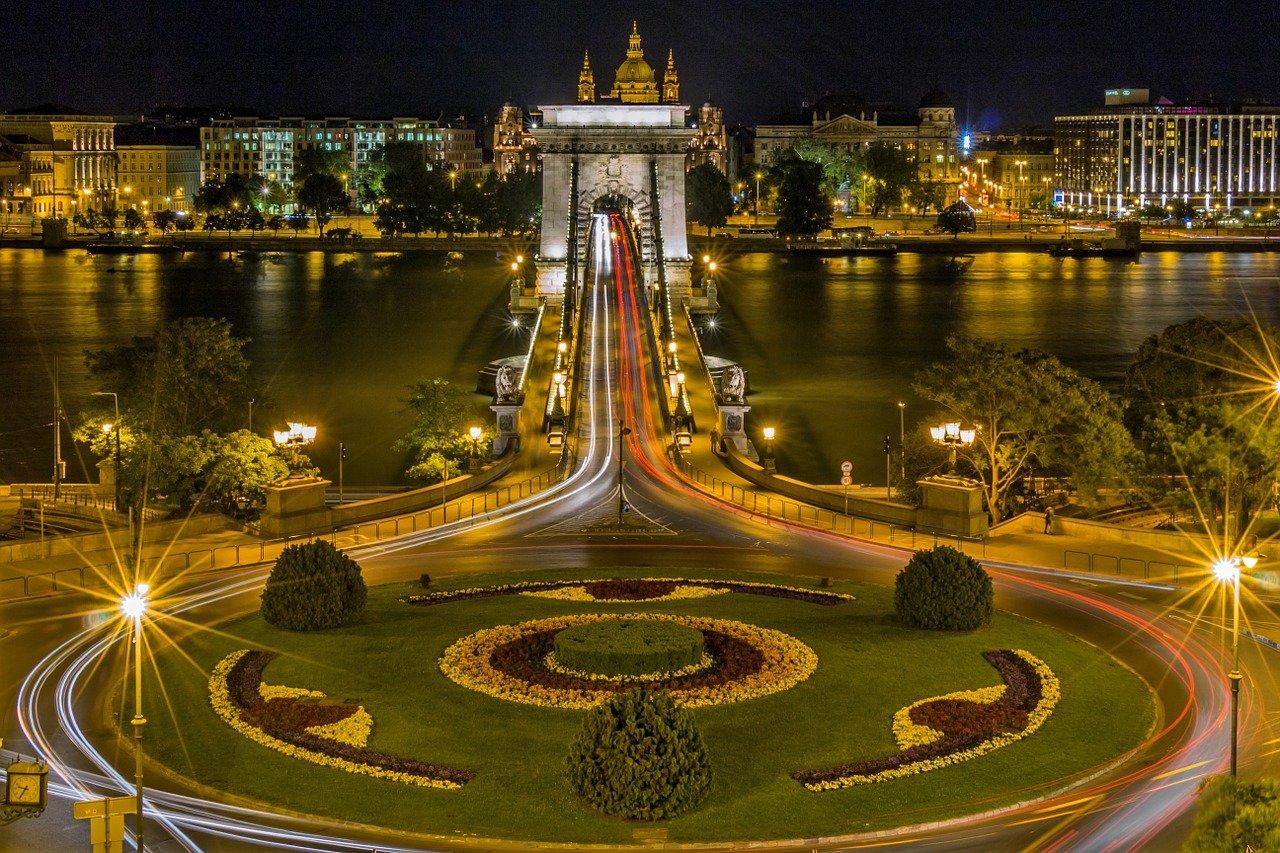
Ádám tér at the Buda end of the Chain bridge. The track is almost 100 m long. The cable car runs
Tickets:
Upwards: 650 HUF/ 2.6 €
Downwards: 550 HUF/2.2 €
Children (3-14 age) 350 HUF/1..4 €
Children under 3 and disabled people can travel on the cable car free of charge.
Operating hours of the cable car: 7.30-22.00, the cable car runs constantly during peak time and at max 10-minute intervals during less busy periods.
Other option is to take the Várbusz (Castle bus), it departs every few minutes from Moszkva tér (M2, red metro line, or tram 4,6) .
First inhabitants moved up here in the 13th century after the devastating Mongol attacks. Budapest Castle District's Golden Age started when the Royal Court moved here. During the 15th century, under the rule of King Matthias, Buda became one of Europe’s most influential cities.
The Turks invaded Budapest Castle District in 1541 and ruled ituntil 1686 when the Austrian Habsburgs and their allied armies took back the hill. The siege left Castle District in ruins.
After the Turks the Habsburgs moved here. Reconstructions began immediately, following the old street layout. The Castle became a government district. The current elegant Baroque appearance was formed by the mid 18th century.
The battles in 1944-45 ruined the place again.
Reconstructions after the war rebuilt Budapest Castle Cistrict: the buildings by the Habsburgs were reconstructed, the street pattern of the medieval city has been kept and much of the architectural features have been restored.
People still live here. Cars are banned from Budapest Castle District: only people who live or work in the area, guests of the Hilton Hotel, taxis and the Várbusz have permission to drive up here.

The only existing old town-gate. A very good spot to start your walk in Budapest Castle District. This is the northern gate of the District, all four roads that run along the hill converge here. From here it takes only a few minutes to get to busy Moszkva tér.
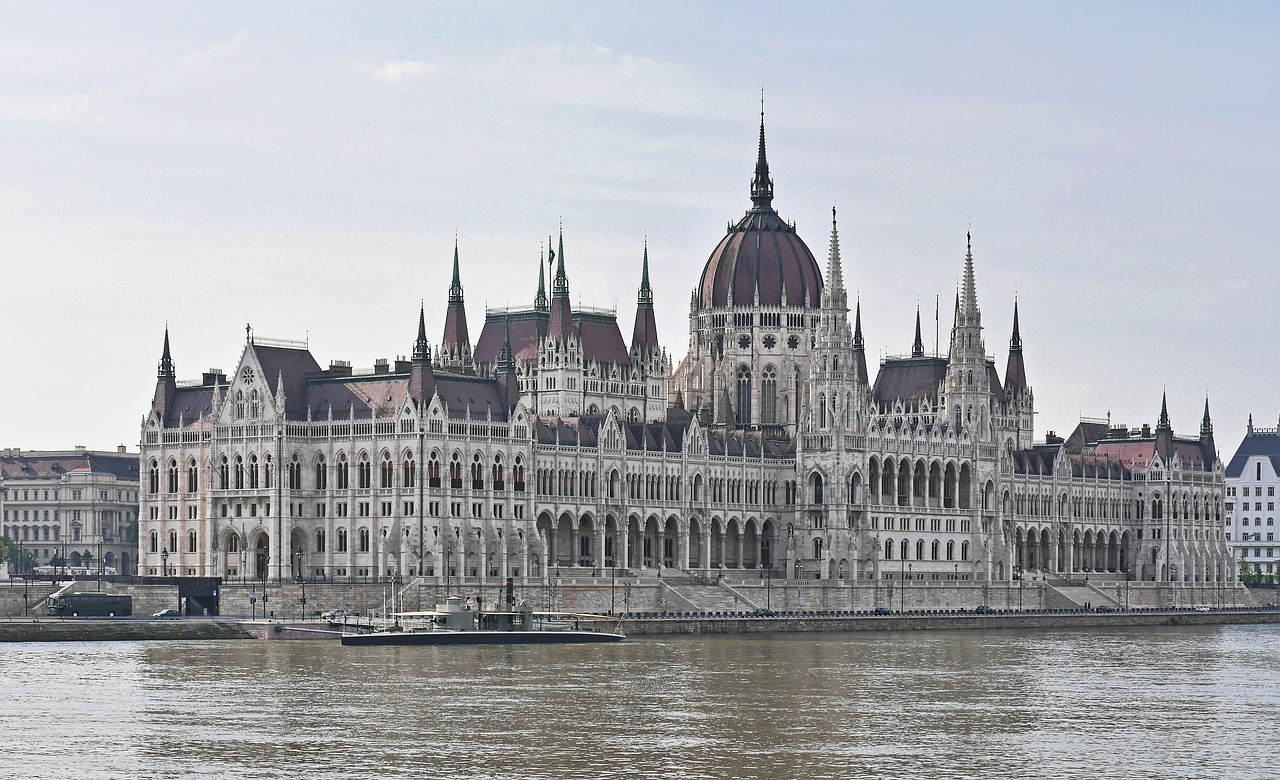
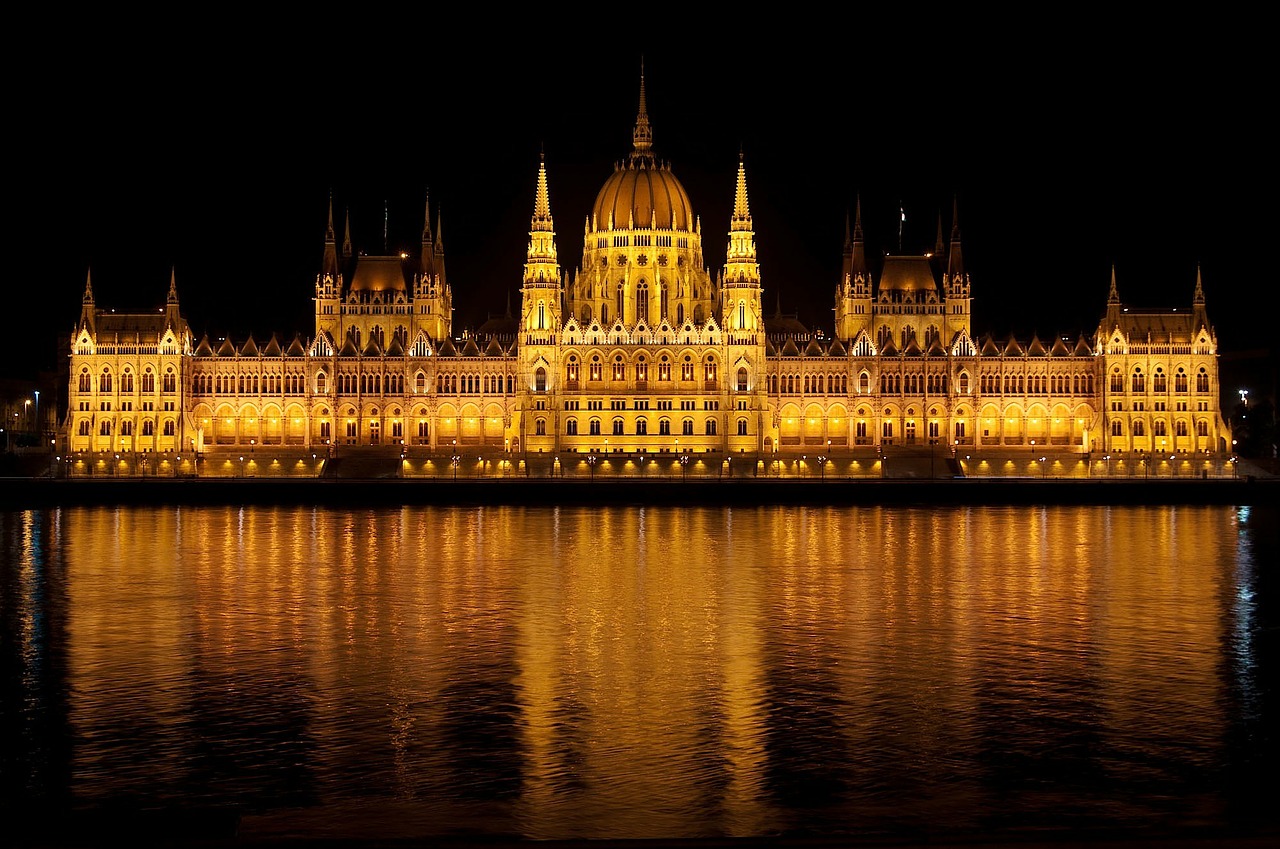
Bécsi kapu tér sereved as a Saturday Market in the Middle Ages for non-Jewish merchants. You can walk up to the top of the gate where you get a beautiful view of the Buda Hills. You can see teh imposing Budapest Parliament from an unusual angle.
You'll find some charming houses around Wienna Gate too (No.-s 5-7). The most famous is the house at No. 7. It was built on the site of a medieval house. A priest and teacher, who lived here rebuilt it in 1807. Beautiful grilles decorate the windows and the door of a staircase in the gateway. In the first half of the 20th century Baron Lajos Hatvany lived here, a patron of arts. In 1935 and 1936 Thomas Mann was his guest in this house for three times. The large building of the National Archieves towers the northern end of the square.
The so-called Europe Grove is to the right of the Gate. Mayors of all the major European cities planted rare trees here in 1972. You'll find about 16 types of trees here, for example Turkish hazel and Japanese cherry.
On the corner of Kapisztrán tér and Országház utca, you bump into the Maria Magdalene Tower. It was a Franciscan church in medieval times. Under the Turkish rule this was the only Christian church, the Turks converted all the other churches into mosques. Since this was the only Christian church, both Catholics and Protestants used it. In the end, the Turks converted it into a mosque as well. The church was destroyed in World War II, only its 15th century tower survived the bombings.
Behind the Maria Magdalene Tower is the Military Museum (Tóth Árpád sétány 40.).
Visit its room devoted to the 1956 Uprising and you'll find out everything important about these 13 chaotic days. The hand of the legendary Stalin Statue is here too. People destroyed the statue in the huge parking area behind Műcsarnok in Heroes' Square during the uprising. A remarkable historical weapon collection, uniforms, flags and coins are also exhibited in this museum.

The centre of Budapest Castle District is at Szentháromság tér (Holy Trinity Square). The Holy Trinity Statue, the Old Town Hall, the House of Hungarian Wines and Matthias Church are here.
Location: Szentháromság tér
Open: Mon-Sat 9.00-17.00, Sun 13.00-17.00
Admission:
Adult:600 HUF/2.40,
Children up to 6: free
Students, pensioiners: €300 HUF/1.20 €
Audio guide + €300 HUF/1.20 €
Church Museum: 300 HUF/1.20 €
Admission is free if you have a Budapest Card.
According to a legend our first king St. Stephen started to built the church, but it's not been proved yet. Historical proof shows that King Béla IV founded the church in 1255 after he moved his court up to Castle Hill from Óbuda.
However, its name comes from the fact that the popular King Matthias held both of his weddings here. The main eastern gate and the long apse are 13th century, the central part was built around 1400. Every king and era added something to the church.
In 1541 the Turks captured Buda and transformed it into a mosque. They celebrated their victory here. Luckily the church's treasures had already been moved from Budapest Castle District to Bratislava.
After the Habsburgs recaptured Buda in 1686, Matthias Church came under Jesuit patronage. Frigyes Schulek rebuilt Matthias Church n neo-Gothic style at the turn of the last century. He incorporated the 13th century remains in the new design. You can view a King Matthias' small collection of religious treasures in the church museum.
The interior is very striking. Despite the vaulting and the stained glass windows, it's nothing like a Gothic cathedral, it has a sort of mystic, Eastern athmosphere. The wall paintings are scenes from the Bible and events from Hungary's history.
The church has excellent acoustics, so it often houses concerts. Matthias Church is probably the most popular place to get married in Budapest.
There are two hotels near Szentháromság tér:
Open: 24 hours daily
Admission: 200 HUF/0.80 €
As part of the renovations the Fishermen’s Bastion was added in 1905. There are two explanations about the origin of the Bastion’s name: some say a fish market was nearby in the Middle Ages, according to others the Guild of Fishermen defended this part of the wall.
Despite its name it's a look-out terrace. It has seven turrets one for each of the Hungarian tribes. The design was inspired by the Far East. "Kitchs but beautiful" according the writer Szerb Antal.
From its top you get one of Budapest's best pamoramic view.
Address: Szentháromság tér 6.
Open: Mon-Sun 12.00-20.00
Should you miss the International Wine and Champagne Festival in the beginning of every September, make sure you visit the House of Hungarian Wines in Budapest Castle District.
In the cellars of the Neo-Gothic building 700 Hungarian Wines represent the country's 22 wine regions. You can taste 60 wines within the admission price, snacks are also offered.
Budapest Card holders get 15 % discount on the admission. You'll get a tasting glass, and can wander through the cellar complex while tasting the wines you wish to. Read information in 4 languages (English, German, French and Hungarian) about the wines and wine regions of Hungary.
Taste the best-known Hungarian Wines, Egri Bikavér and the sweet Tokaji dessert wines. For comparison try other lesser-known wines from the Szekszárd and Villány region too, you'll be surprised how superb they are.
Address: Úri utca 9., two minutes walk from Szentháromság tér.
Opening hours: Tue-Sun 10.00-18.00
To make the area even more romantic, beneath Budapest Castle Hill stretches a labyrinth of caves, tunnels and cellars. It's about 10 km in length and a section of about 1.5 km is open to visitors. Part of the labyrinth was formed naturally, the other parts were excavated mostly in the Middle Ages for protection purposes. During World War II thousands lived through the siege down here.
Visit its waxworks exhibition, it introduces the Hungarian history in a way that you'll find both funny and serious.
Guided tours in four languages start every 10-20 minutes. The temperature is around 14 Celsius and humidity is 90% so bring a coat or sweater with you!

The original Royal Palace was destroyed and rebuilt many times. Its history is very much like that of the Matthias Church's. King Béla IV started building a palace in the 13th century after the Mongol invasion. The original Gothic Palace was built and expanded for 300 years.
The golden era of the palace was under the rule of King Matthias (1451-90). It was totally destroyed in 1686 when the Habsburg army liberated Buda from the Turkish occupation. The Habsburgs built a completely new, small Baroque palace in the beginning of the 18th century. It was damaged again in the 1848-49 War of Independence. The following reconstruction almost doubled it in length at the end of the 19th century ( now it's 304 m long) and a large wing was attached to the back. In 1945 it was the last defense of the German troops in Budapest. Post-war reconstruction revealed Gothic and Renaissance foundations that have been incorporated in the building during the works. Thus the Palace is a mix of architectural styles.
Today the Palace houses three museums:
and the National Széchenyi Library.
See our Photos about Castle District.
For a coffe and cake visit Budapest's oldest confectionery, the Ruszwurm in Szentháromság utca. It's a small Barouqe coffee house dating from 1824. Usually it's crowded with tourists, but in a winter afternoon you might get a seat in its tiny salon. On a hot summer-day taste its ice-cream. Address: Szentháromság utca 7. |
For a modern world feeling try Café Miró in Úri utca, its surrealistic wrought iron furniture brings you back from the past.
Address: Úri utca 30.
Tel: +36 1 375 5458
For something more substantial, your best bet is Café Pierrot in Fortuna utca. Besides Hungarian dishes you can choose from a variety of pastas and sandwiches. It has a free wireless internet access for its customers.
Address: Fortuna utca 14.
Tel: +36 1 375 6971
For meat lovers I recommend Alabárdos Restaurant in Országház utca (a small street opposite Matthias Church), a 400 year old gothic resaturant.
Address: Országház utca 2.
Tel: +36 1 356 0851
Return from Budapest Castle District to Budapest Sightseeing or
Homepage of Budapest Tourust Guide.
© Copyright 2005-2007 All Rights Reserved www.budapest-tourist-guide.com
|
|
| MOST WANTED! | ||
More Sights in Buda
|
||